




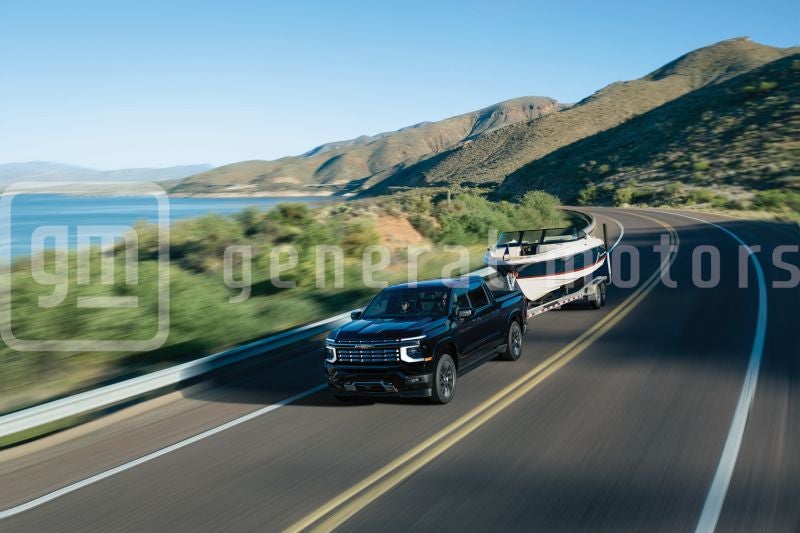
If you've ever towed a trailer, you know that keeping everything stable behind your vehicle is important. Whether you're pulling a camper through the mountains, hauling a boat to the lake, or towing a utility trailer for work, trailer sway can make an otherwise routine drive uncomfortable—and potentially dangerous.
Fortunately, modern Chevrolet trucks offer technology designed to help. Trailer Sway Control is a feature that helps detect trailer movement and assists the driver in maintaining better control.
What Is Trailer Sway?
Trailer sway happens when a trailer begins moving from side to side behind the tow vehicle. Instead of following directly behind the truck, the trailer can start to oscillate or "fishtail."
Several things can contribute to trailer sway, including:
- Strong crosswinds
- Passing or being passed by large vehicles
- Improper trailer loading
- Excessive speed
- Uneven road surfaces
- Incorrect tongue weight
- Sudden steering or braking
In Colorado, changing weather and mountain driving conditions can make trailer stability especially important.
How Does Trailer Sway Control Work?
Trailer Sway Control uses the vehicle's stability control system to detect when a trailer begins moving from side to side.
When the system detects potential sway, it can automatically apply the vehicle's brakes and reduce engine torque as needed. This helps slow the vehicle and trailer while helping the driver maintain control.
The system works in the background, so the driver can concentrate on safely steering and bringing the vehicle and trailer back under control.
It's important to remember that Trailer Sway Control is a driver-assistance feature, not a substitute for proper towing practices. Proper trailer loading, appropriate speed, and correct equipment are still essential.
Why Does Trailer Sway Control Matter?
Trailer sway can develop quickly. A small amount of movement can become much more noticeable as speed increases or as wind and road conditions change.
Trailer Sway Control provides an additional layer of assistance when unexpected movement occurs.
For drivers in Northwest Colorado, that can be particularly useful when towing through mountain passes, open highways, and areas where strong winds are common.
How Can You Help Prevent Trailer Sway?
Technology can help, but good towing practices are your first line of defense.
1. Load Your Trailer Properly
Keep heavier items low and positioned toward the front of the trailer. Avoid placing too much weight at the rear, which can contribute to instability.
2. Check Your Tongue Weight
Proper tongue weight helps keep the trailer stable. Follow the recommendations for your specific trailer and hitch setup.
3. Don't Exceed Your Towing Capacity
Always make sure your trailer's loaded weight is within your vehicle's towing capacity. Don't forget to account for passengers, cargo, and equipment in the tow vehicle.
4. Drive at an Appropriate Speed
Higher speeds can make trailer sway more difficult to control. Slow down when conditions are windy, wet, icy, or otherwise challenging.
5. Inspect Your Equipment
Before every trip, check your hitch, safety chains, trailer tires, lights, brakes, and other towing equipment.
What Should You Do If Your Trailer Starts to Sway?
If you experience trailer sway, avoid making sudden steering movements. Keep the steering wheel as steady as possible and gradually reduce your speed.
Avoid aggressively applying the tow vehicle's brakes unless necessary. Allow the vehicle's towing and stability systems to assist while you bring the combination back under control.
If conditions are unsafe, find a safe place to pull over and determine what may have caused the sway.
Chevrolet Trucks and Trailer Technology
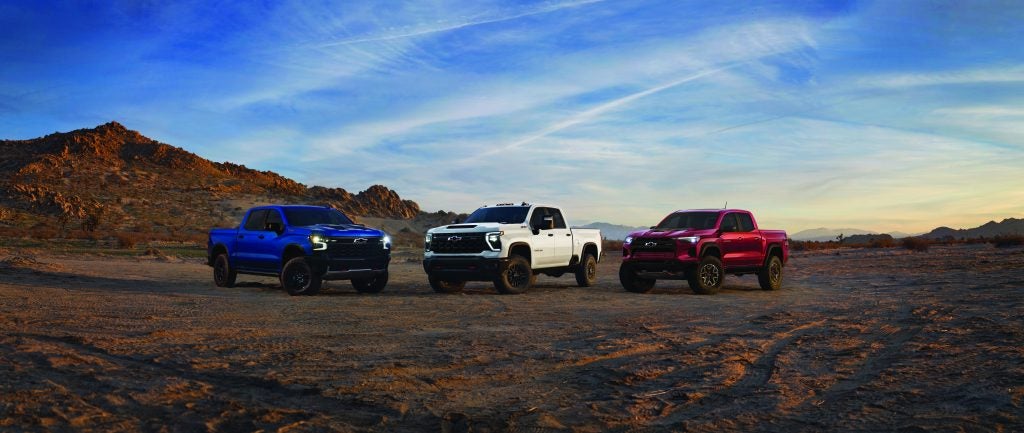
Chevrolet trucks are designed to give drivers the capability and technology they need for towing. Depending on the model and configuration, available towing technologies can include Trailer Sway Control, integrated trailer brake controls, trailer lighting diagnostics, camera systems, and other trailering features.
The Chevrolet Silverado 1500 is a popular choice for Colorado drivers who need a truck capable of handling everything from recreational towing to everyday work.
For heavier towing needs, Chevrolet also offers the Silverado HD, providing additional capability for demanding jobs.
Find the Right Chevy Truck for Your Towing Needs
Whether you're pulling a camper into the mountains, hauling a boat, or towing equipment for work, choosing the right truck and towing equipment matters.
At Cook Chevrolet in Craig, Colorado, our team can help you compare Chevrolet trucks, towing capabilities, available trailering technology, and configurations to find the right setup for your needs.
We're proud to serve drivers throughout Craig, Steamboat Springs, Hayden, Meeker, Rangely, Northwest Colorado, and Southern Wyoming.
Visit Cook Chevrolet to explore our current Chevrolet truck inventory and find a truck that's ready for whatever you're towing next.
Frequently Asked Questions
Does Trailer Sway Control stop trailer sway completely?
No. Trailer Sway Control is designed to assist when sway is detected, but proper loading, equipment, speed, and driving habits remain essential.
Can Trailer Sway Control work with any trailer?
The exact operation and requirements depend on the vehicle, trailer, and towing configuration. Consult your Chevrolet owner's manual for information specific to your vehicle.
Is Trailer Sway Control the same as a trailer brake controller?
No. Trailer Sway Control and a trailer brake controller perform different functions. An integrated trailer brake controller allows the driver to control the trailer's brakes, while Trailer Sway Control is part of the vehicle's stability system and can automatically intervene when sway is detected.
What Chevy truck is best for towing?
The right truck depends on the trailer's loaded weight and your specific needs. The Silverado 1500 provides strong towing capability for many recreational and work applications, while Silverado HD models are designed for heavier-duty towing.